
Share
These solar and energy case studies reveal how local residents and businesses are reducing both their energy bills and carbon emissions in their homes and premises across the Northern Beaches.
Electrification case studies

Kara: townhouse, Dee Why
Despite a few bumps, Kara's household cut energy costs by installing solar and switching to electric appliances, maximising rebates and long-term savings on their ongoing electrification journey.

Kate: 2-bedroom unit, Manly
Kate was concerned about the health impacts of an unflued indoor gas heater so she upgraded to an electric reverse cycle air conditioner – and reduced her carbon footprint in the process.
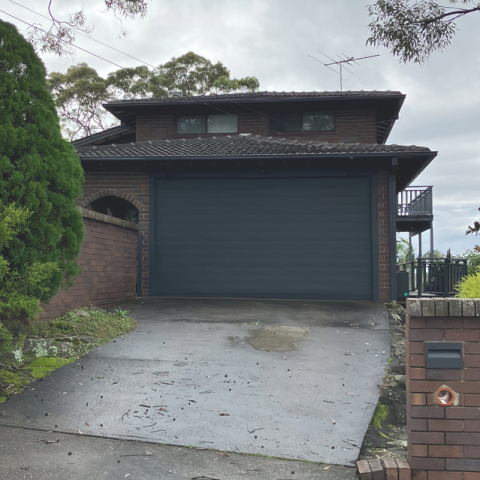
Rob: 3-bedroom house, Elanora Heights
Listening to the success stories of friends and family convinced Rob to install solar, then LED lighting and induction cooktop upgrade, which has saved him $1000 per year on his bills.

The Cottage Surgery, Manly Vale
This small business owner wanted to make energy-saving changes but was overwhelmed by marketing and unsure which solar suppliers to trust. Now he's installed solar, a battery, LED lights, is very happy with his ROI and planning more energy upgrades.
Video case studies
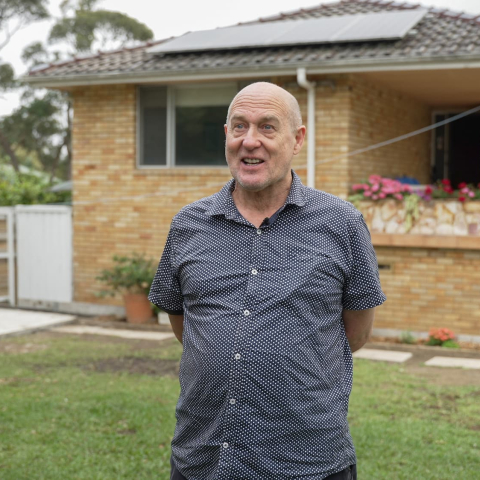
Michael, Frenchs Forest
Michael from Frenchs Forest explains how he installed 10kw of solar panels and a battery and he hasn't paid for electricity since.

Sally, Manly Vale
Find out how Sally and her husband went through the process of electrifying their home.

The Cottage Surgery, Manly Vale
Rising energy costs prompted a Northern Beaches business to explore renewable solutions.
Explore Council's Solar and Energy webpages for information to help with your net zero journey.
Note
The estimated cost and emissions savings from electrification can vary depending on numerous factors, including but not limited to:
- energy prices and solar feed-in tariffs, which fluctuate over time and differ by retailer
- local climate conditions, which affect heating and cooling demand
- building characteristics, such as size, insulation, airtightness and age
- efficiency of existing and replacement equipment (e.g. HVAC / RCAC systems, water heaters and appliances)
- occupant behaviour and usage patterns, which significantly influence energy consumption
- available incentives and policies, which may affect both upfront costs and long-term savings.
These estimates should be interpreted as indicative rather than definitive.